With farmers urged to exercise caution over paddy cultivation, Telangana government faces calls for transparency on event expenditure and a review of the December expo
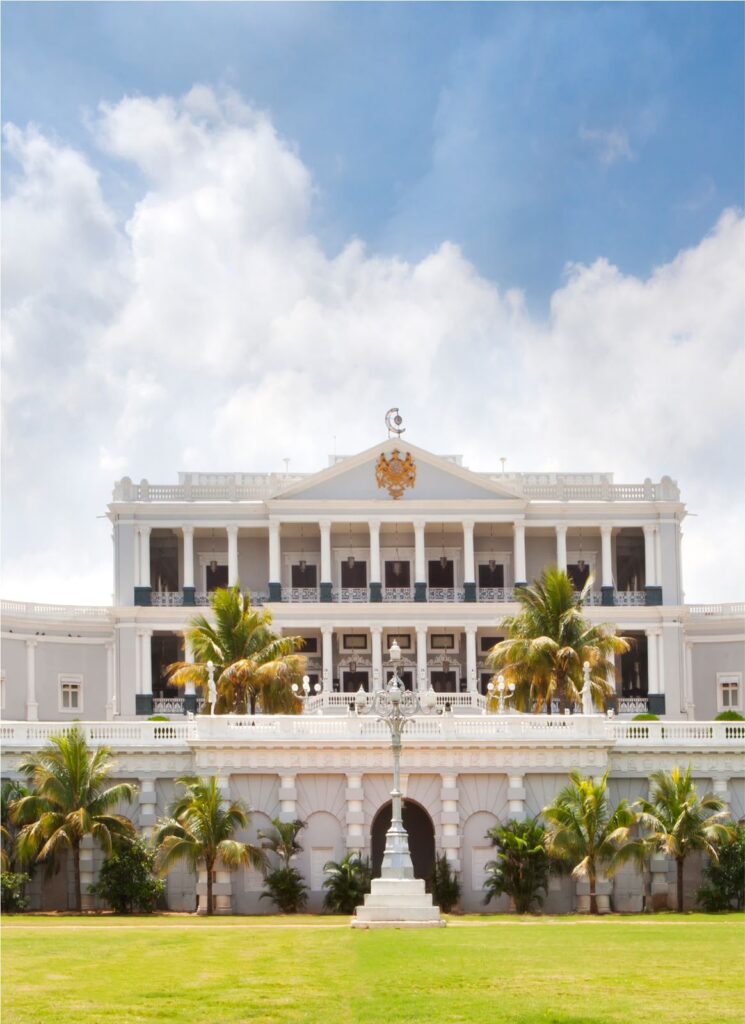
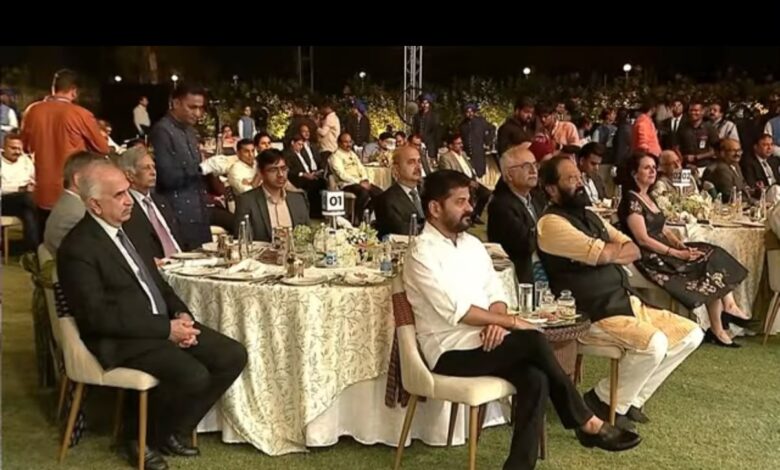
HYDERABAD: Amid concerns over the possible impact of El Niño on rainfall and water availability, the Telangana government’s decision to host the curtain raiser for Raksha Expo 2026 at the Taj Falaknuma Palace in Hyderabad has triggered questions over public expenditure and the need to balance investment promotion with resource conservation.The curtain raiser was held on Saturday ahead of the main event, scheduled from December 7 to 9 at Bharat Future City as part of the Invest Telangana Global Summit 2026. While the expo aims to showcase the State’s aerospace, defence, space and internal security sectors and attract investments, questions have been raised over the cost of the launch event and whether the government should reassess its plans in view of potential weather-related challenges.The issue assumes significance as farmers are being advised to exercise caution over paddy cultivation and consider less water-intensive crops depending on irrigation availability and local agricultural conditions. If the farming community is expected to prepare for possible water stress, the government must also demonstrate prudence in its expenditure and resource planning.*Questions over expenditure*The choice of the prestigious Taj Falaknuma Palace for the curtain raiser has prompted calls for greater transparency over the expenditure incurred on the venue, hospitality, logistics, security and other arrangements.Although promotional events can help generate interest among investors and industry representatives, the government needs to explain whether a more economical venue could have served the same purpose without compromising the event’s objectives.There is little dispute over the importance of positioning Telangana as a destination for defence and aerospace manufacturing. However, the expenditure on preliminary events warrants scrutiny, particularly when the State may have to prepare for challenges involving irrigation, drinking water and agricultural requirements.*Should the December expo be reviewed?*The three-day Raksha Expo is expected to feature exhibitions, technology demonstrations, business meetings and startup showcases, with participation from domestic and international stakeholders. An event of this scale requires extensive logistical arrangements, including transport, accommodation, sanitation and catering.The government should assess the expected water requirements and the availability of local resources before proceeding with the event. The review should take into account credible meteorological forecasts, reservoir storage, drinking water needs and the assessment of departments concerned.Depending on the findings, the government could consider retaining the December schedule with appropriate conservation measures, scaling down resource-intensive arrangements or rescheduling the event if circumstances warrant such a decision.However, the possibility of an El Niño-related impact should not, by itself, be treated as proof of an impending water crisis. Any decision must be based on the evolving weather outlook and the actual water situation.*Consistency in government priorities*Farmers are particularly vulnerable to inadequate rainfall, uncertain irrigation supplies and rising cultivation costs. Advisories to reconsider water-intensive crops, where necessary, underline the importance of efficient water management.Against this backdrop, the government should explain how its expenditure and resource commitments for major events align with its broader priorities on water conservation and public welfare. Consistency between official advisories and government action is essential to maintaining public confidence.The government could also explore measures to reduce the environmental footprint of the expo, including water-efficient facilities, the use of recycled water wherever feasible, reduced disposable material consumption and more economical hospitality arrangements. Publishing projected expenditure and resource requirements would help improve transparency.*Investment promotion and sustainability*Raksha Expo 2026 could provide Telangana with an opportunity to attract investment, strengthen its defence manufacturing ecosystem and create employment opportunities. These objectives need not conflict with responsible resource management.The government should place the estimated expenditure for the curtain raiser and the main expo in the public domain, along with projected water consumption and proposed conservation measures. A review involving the departments of agriculture, irrigation, drinking water and disaster management could help determine whether the planned arrangements are sustainable under different weather scenarios.If the assessment points to a serious threat to essential water supplies or an avoidable burden on public resources, restructuring or postponing the event could be considered. If the risks are manageable, the government should explain the safeguards in place.The question is not whether Telangana should promote investment, but whether it can do so while preparing responsibly for potential climate-related challenges. At a time when farmers may have to make difficult decisions about their crops and water use, the government must demonstrate that fiscal prudence, resource conservation and public welfare remain central to its planning.